Mega Fishing: decide how you want to play
Start only after you understand the on-screen controls and any displayed costs. A short, planned session makes it easier to keep this fishing title in its proper place: entertainment, not an income plan.
Mega Fishing brings fishing-themed arcade action into a quick-to-read game format. Learn what to look for before a round, then choose a pace and session limit that feel comfortable.
Compare the familiar fishing category with these other catalog titles. Each tile opens the site's game destination.
Start only after you understand the on-screen controls and any displayed costs. A short, planned session makes it easier to keep this fishing title in its proper place: entertainment, not an income plan.
In brief: Mega Fishing is a fishing-category game built around an arcade presentation, visible targets, and player-controlled actions. Its appeal is the active rhythm of observing a scene and deciding when to act, rather than the slower pace of a conventional table game.
For people arriving from a search for Mega Fishing Demo, the useful first step is to inspect the game screen and available help before committing to a session. The exact controls, rules, target behavior, and any reward conditions should be read in the game itself; this guide does not assume a particular payout rate, jackpot, or feature that has not been verified on screen.
Observe the play area, identify the available actions, and use only controls whose cost and effect are clear. If a target or effect is unfamiliar, pause to read its explanation instead of increasing a stake to test it. That simple habit helps keep attention on the experience and makes the next choice easier to evaluate.
The phrase d9d9 game Mega Fishing may lead visitors to expect a quick guide as well as a game entry. The practical distinction is straightforward: this page explains how to assess the title; the game screen is the place to confirm live rules, displayed limits, and any current availability.
Fishing games can show several targets and effects at once. A larger or more prominent target should not automatically be treated as a better choice: consider what the game says about its cost, difficulty, and possible result. Prefer a pace where you can follow the action, and stop if the interface or your own decisions begin to feel rushed.
Artwork can help identify the title, but it cannot establish odds. No image or short description can promise that a particular action will win. Let the game's own information guide your choices, and remember that outcomes can vary from one attempt to another.
These are catalog illustrations, not claimed screenshots of active gameplay. Use them to recognize titles, then verify controls and rules inside the game.
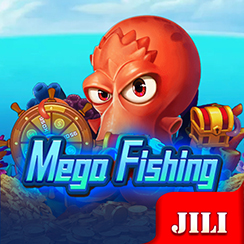
The icon is useful for recognition in a catalog, not for predicting a result or explaining every screen. Once Mega Fishing opens, check the in-game help, confirm what each control does, and make sure the display is readable on your device. If the game behaves differently from what you expected, stop and review its instructions before continuing.
Quick answer: judge Mega Fishing by clarity, pace, and how much attention each round asks from you—not by unverified claims about returns. The fishing format is more hands-on than a simple spin, while the actual rules remain specific to the title's own information screen.
Can you distinguish targets, controls, and feedback without squinting? A clear display matters more than decorative detail when deciding whether to continue.
Does the round leave time to understand each action? Choose a tempo that lets you stay deliberate rather than react under pressure.
Check the stated effect and cost of each action. If either is unclear, use the help information or leave the game until it is clear.
For a broader arcade comparison, a tournament overview can explain how scheduled competitive events differ from an individual fishing session. It is a useful context link, not a prediction about Mega Fishing results.
Do not compare games by invented return-to-player figures or assumed jackpot sizes. Unless the title clearly publishes a figure and its meaning, the fair comparison is about interface, pace, and whether the available rules suit your preferences.
Start with a limit you can keep: set both a time boundary and an entertainment budget before opening the game, and stop when either is reached. No tactic can guarantee a win or remove uncertainty from game outcomes.
Keep the device comfortable and the controls easy to see. A smaller screen can make fast targets harder to track, so adjust your position or pause rather than acting blindly. A short review after each round can help you notice whether your choices still match the limit you set.
People looking for d9d9 game responsible play should treat breaks and stop points as part of the plan, not as a response only after a bad result. If you find it hard to stop, step away and seek appropriate support from trusted local resources.
Whether you use a browser or the d9d9 game app, protect your account and use a trusted access route. Keep device software current, avoid sharing sign-in details, and do not install files from unverified sources. The title should remain optional entertainment; convenience should never become pressure to play longer.
Explore other fishing illustrations such as or only if you want a different presentation; their names and art alone do not establish that their rules or outcomes match Mega Fishing.
If you prefer a broader category view, the Color Game guide offers a different format to compare. For a title with another kind of reward presentation, read about Pinata Wins; neither page changes the need to check the rules and limits that apply to its own game.
Know the controls, set a stopping point, and keep the session within your entertainment plan. If those conditions are not right for you today, it is fine to leave the game for another time.